
Brig. Gen. Linda J. Riedel with the South Carolina National Guard, who currently serves as assistant adjutant general for the Army, has been selected as the incoming deputy commanding general of the U.S. Army Cyber Center of Excellence.

Users of OpenAI’s ChatGPT can now use certain apps that run inside ChatGPT, including Coursera for education use cases, the artificial intelligence company said on Monday, explaining that users can bring course content into a live conversation.

Ohio Homeland Security (OHS) has launched a suspicious activity reporting system powered by artificial intelligence to help residents submit more detailed and actionable tips to law enforcement.
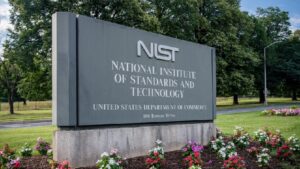
The National Institute of Standards and Technology (NIST) is awarding over $3.3 million in cooperative agreements to educational and community organizations to build the nation’s dwindling cyber workforce.

Colorado State University Global (CSU Global) has partnered with broadband and telecommunications organization SCTE to launch a new training program to equip broadband specialists with skills to expand infrastructure.

Melvin Carter, the mayor of St. Paul, Minn., unveiled his 2026 budget proposal last week, which includes over $1 million to strengthen the city’s ability to prevent, detect, and respond to cybersecurity threats.

The National Science Foundation (NSF) on Thursday announced the launch of its new Integrated Data Systems and Services (NSF IDSS) program to build national-scale data systems and selected 10 datasets for integration into the National Artificial Intelligence Research Resource (NAIRR) Pilot.

The University at Buffalo (UB), which is part of the State University of New York system, said on Aug. 14 that it is launching seven new AI-integrated bachelor’s degree programs.

New York Gov. Kathy Hochul has announced $52.6 million in broadband infrastructure awards that will build 234 miles of new fiber and establish 46 wireless hubs, delivering affordable, high-speed internet to over 24,000 households, businesses, and anchor institutions in the state.
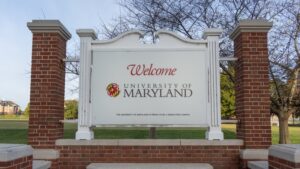
The University of Maryland (UMD) said it plans to use a recent $2.85 million gift from tech entrepreneur and UMD alumnus Brendan Iribe to launch the University of Maryland Computing Catalyst, a new initiative designed to expand opportunities in computing for both university students and K–12 learners.
Archives
- June 2025 (1)
- December 2024 (1)
- November 2024 (1)
- October 2024 (1)
- September 2024 (1)
- August 2024 (1)
- July 2024 (1)
- June 2024 (1)
- May 2024 (1)
- April 2024 (1)
- March 2024 (1)
- February 2024 (1)
- January 2024 (1)
- December 2023 (1)
- November 2023 (1)
- October 2023 (1)
- September 2023 (1)
- August 2023 (1)
- July 2023 (1)
- June 2023 (1)
- May 2023 (1)
- April 2023 (1)
- March 2023 (1)
- February 2023 (1)
- January 2023 (1)
- December 2021 (1)
- October 2021 (1)
- June 2021 (1)
- May 2021 (2)
- April 2021 (2)
- March 2021 (4)
- February 2021 (1)
- February 2020 (1)
- October 2019 (2)
- September 2019 (3)
- August 2019 (1)
- July 2019 (2)
- December 2018 (1)
- February 2018 (1)
- September 2017 (3)
- November 2016 (2)
- October 2016 (3)
- September 2016 (1)
- April 2016 (1)